How should a hotel kitchen be?
Discover essential components and key features for optimizing a hotel kitchen, ensuring efficiency in operations and design for a modern culinary experience.
10/6/20254 min read
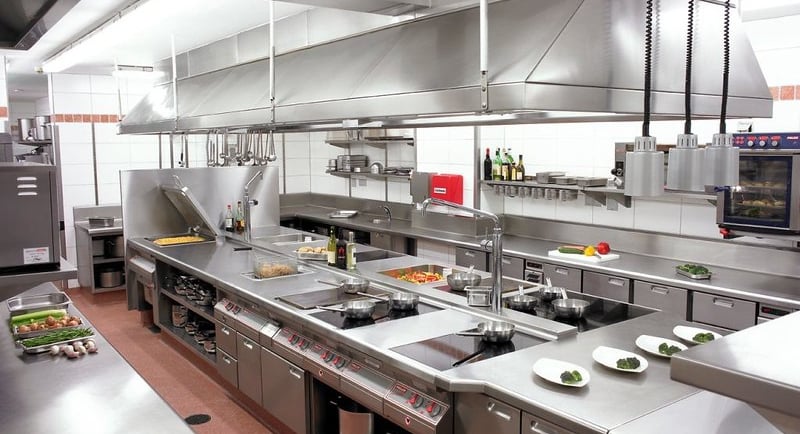
A well-designed hotel kitchen is crucial for efficient operations and guest satisfaction. This article explores the essential components of a modern hotel kitchen, highlighting elements such as adequate space, advanced appliances, and effective workflow arrangements. Key features like inventory management systems and staff training protocols are discussed to optimize hotel kitchen operations, ensuring speed and quality in food service. Furthermore, the article offers valuable takeaways for designing an efficient hotel kitchen, emphasizing the importance of layout, functionality, and adaptability to various culinary needs. By implementing these strategies, hotel managers can create a productive environment that enhances both staff performance and guest experiences, ultimately leading to a successful dining operation.
Essential Components Of A Modern Hotel Kitchen
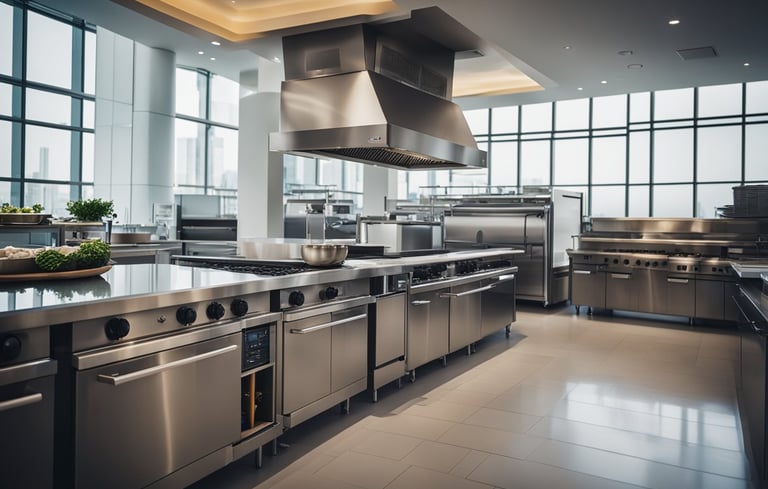
In today's competitive hospitality industry, a well-designed hotel kitchen plays a crucial role in delivering exceptional dining experiences. The foundation of a modern hotel kitchen includes advanced equipment, efficient layouts, and a commitment to safety and hygiene. Proper organization not only enhances productivity but also helps in maintaining the quality of food served to guests. Investing in the right components can significantly streamline operations and boost overall customer satisfaction.
Key Components of a Modern Hotel Kitchen:
Professional-grade cooking appliances
Space-efficient layout design
High-capacity refrigeration units
Dishwashing facilities
Food preparation stations
Storage solutions for ingredients
Safety and hygiene equipment
The integration of these essential components ensures that a hotel kitchen operates at peak efficiency. A well-equipped kitchen allows chefs to prepare diverse menus that cater to various dietary preferences and enhances the overall dining experience. As the culinary demands evolve, continuous assessment and upgrades of kitchen components become vital in maintaining a competitive edge in the market.
Key Features To Optimize Your Hotel Kitchen Operations
To enhance the efficiency of a hotel kitchen, it is crucial to focus on several key features that can streamline operations. A well-designed kitchen allows for improved workflow, better communication among staff, and enhanced food preparation processes. By prioritizing these elements, hoteliers can ensure that their kitchen meets both guest expectations and operational requirements.
One of the primary aspects to consider is the layout of the kitchen. A strategically planned kitchen layout not only maximizes space but also promotes an efficient working environment. When the team can move seamlessly from one station to another, the speed of service increases, which is essential in a high-demand hotel setting. Below is a table that highlights various layout types and their benefits for a hotel kitchen.
Layout TypeDescriptionBenefitsAssembly LineSequential arrangement of kitchen stations.Streamlined workflow and quick meal preparation.GalleyNarrow, efficient design with multiple workstations.Maximizes space in smaller kitchens.IslandCentral work island with surrounding stations.Encourages collaboration and communication.
Another critical factor in optimizing your hotel kitchen is investing in the right equipment. Outfitting the kitchen with modern appliances and tools not only enhances safety but also boosts productivity. Equipment such as commercial ovens, refrigerators, and prep stations should meet the volume demands of the hotel while ensuring quality results. Ensuring that the staff is trained to use this equipment efficiently can further enhance kitchen operations.
Steps to Optimize Your Hotel Kitchen
Assess the kitchen layout for optimal flow and functionality.
Invest in high-quality, energy-efficient equipment.
Implement a systematic inventory management system.
Ensure proper training for all staff on equipment and procedures.
Adopt a sustainable approach by minimizing waste.
Regularly review and update menu offerings based on guest preferences.
Layout Considerations
Focusing on the kitchen layout is essential for improving operational efficiency. Important aspects include determining the working triangles between the stove, sink, and refrigerator to reduce movement time. Moreover, design considerations should factor in adequate workspace for chefs and kitchen staff to collaborate effectively. With careful planning, a hotel kitchen can significantly enhance service quality and speed.
Equipment Essentials
Equipping your hotel kitchen with the right tools is equally important. Essential kitchen equipment includes not only cooking devices but also storage solutions, dishwashing accommodations, and preparation space that can handle the daily demands of a busy hotel. Regular maintenance and updates to equipment ensure a safe and efficient working environment, ultimately improving guest satisfaction.
Takeaways For Designing An Efficient Hotel Kitchen
Designing an efficient hotel kitchen is pivotal for maintaining high standards in food preparation and service. An optimally designed space not only enhances workflow but also ensures that staff can operate safely and effectively under pressure. The layout should facilitate easy access to ingredients, tools, and equipment while minimizing unnecessary movement. By prioritizing functionality and organization, hotels can improve operational efficiency and elevate the overall guest experience.
Actionable Tips
Define a clear workflow, separating areas for storage, preparation, cooking, and plating.
Incorporate ergonomic designs to reduce physical strain on kitchen staff.
Utilize modular equipment to easily adapt to changing menu demands.
Install efficient ventilation systems to maintain a comfortable and safe working environment.
Ensure ample storage for ingredients and tools to prevent clutter and improve accessibility.
Use high-quality, durable materials that can withstand the rigors of a busy kitchen.
Regularly review and evaluate kitchen processes to identify areas for improvement.
Effective communication is also key in a hotel kitchen. Ensuring that team members are aware of their roles and responsibilities can prevent errors and enhance teamwork. This not only fosters a positive atmosphere but also leads to better service delivery and satisfied guests. Consider integrating technology such as kitchen display systems (KDS) to streamline orders and improve coordination among kitchen staff, further enhancing operational efficiency.