
What is fast food?
Explore the fast food phenomenon, its history, nutritional pros and cons, and tips for healthier choices at fast food restaurants.
10/30/20255 min read
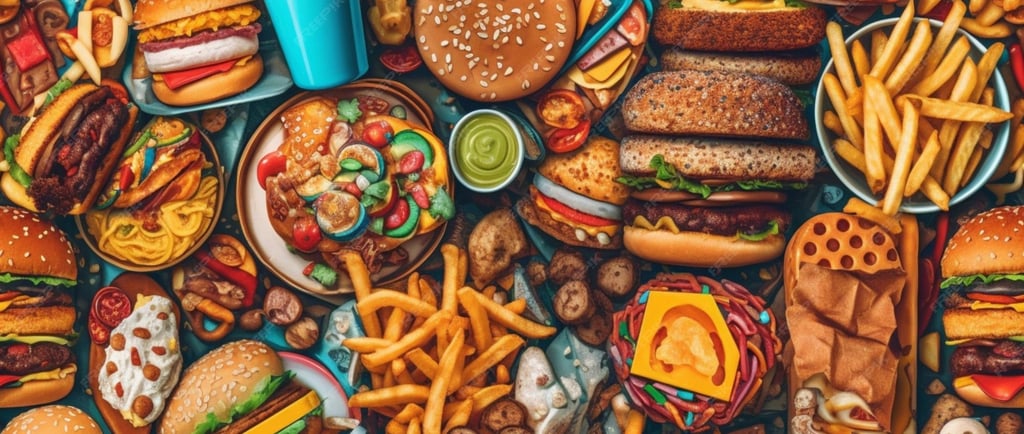
This blog post explores the fast food phenomenon, tracing its evolution from a historical perspective to its current status in society. The article highlights the pros and cons of fast food by discussing nutritional facts, shedding light on how it has both positive and negative impacts on health. Additionally, it offers practical advice on making healthier choices when dining at fast food restaurants, emphasizing that consumers can still enjoy these popular meals while being mindful of their dietary needs. Overall, this comprehensive overview aims to inform readers about the multifaceted world of fast food, enabling them to navigate their choices more wisely.
Understanding The Fast Food Phenomenon
The fast food industry has revolutionized the way we consume food, offering convenience and speed that caters to the modern lifestyle. Fast food is characterized by its quick preparation, low prices, and standardized menu items, which appeal to a broad audience. Many consumers appreciate the accessibility of fast food establishments, making it an integral part of daily eating habits for millions. However, it is essential to acknowledge both the advantages and drawbacks of this widespread culinary trend.
Key Characteristics of Fast Food
Speedy Service: Fast food is designed for quick consumption, allowing customers to receive their meals in minimal time.
Standardization: Menu items are consistent across locations, ensuring that customers know what to expect with each order.
Affordability: Prices are typically lower compared to traditional dining, making fast food accessible to a wider demographic.
Convenience: Many fast food restaurants offer drive-thru services and extended hours, enhancing their convenience.
Limited Menü Fast food establishments usually focus on a narrow range of items, facilitating quicker decision-making for customers.
While the appeal of fast food lies in its convenience and affordability, it prompts a broader discussion about nutrition and health. Understanding the implications of fast food consumption is critical as it can impact long-term health and wellness. As awareness grows, many consumers are seeking healthier options without sacrificing convenience, leading to an evolving landscape in the fast food sector.
The Evolution Of Fast Food: A Historical Perspective
Fast food has undergone significant transformations since its inception, reflecting broader societal changes and advancements in food production and consumption. The evolution of fast food is marked by key developments that catered to the growing demands for convenience, speed, and affordability. In its early days, fast food was a response to the fast-paced lifestyles emerging during the industrial revolution, where quick meal options increasingly appealed to busy workers. Today, it has become an integral part of global culture, celebrated for its accessibility yet criticized for its nutritional implications.
The cultural impact of fast food is profound, as it has transcended geographical boundaries to become a symbol of modernization and globalization. It shapes dining experiences and influences eating habits worldwide, often associated with the American lifestyle. As fast food chains proliferated across continents, they brought with them a blend of local and international flavors, modifying traditional foods and embracing regional tastes to establish a universal appeal.
Cultural Impact of Fast Food
The fast food industry has not only transformed food consumption patterns but has also fostered a unique culture around its offerings. People often view fast food as a social experience, where families and friends gather at restaurants, creating a communal space centered around convenience. Moreover, with marketing campaigns and branding becoming increasingly sophisticated, these establishments communicate their messaging effectively, often targeting younger demographics and embedding themselves in popular culture.
Technological Advances
Technological advances have significantly shaped the evolution of fast food, influencing both production and service methods. Automation and online ordering systems have streamlined operations, allowing for quicker service times and enhanced customer experiences. These technological innovations, including mobile apps and self-service kiosks, have revolutionized how customers engage with fast food brands, as they adapt to a digital era that prioritizes efficiency and connectivity.
Key Phases in the Evolution of Fast Food
PhaseDescriptionTime PeriodInceptionFirst fast food establishments opened1920sFranchisingExpansion of franchise models1940s-1950sGlobalizationInternational spread of fast food chains1970s-1990sHealthier OptionsIntroduction of healthier menu items2000s-Present
Milestones in Fast Food History
1921: White Castle opens, establishing the first fast food chain.
1940: McDonald's opens its first outlet in California.
1954: Franchise model introduced by franchising pioneers like Ray Kroc.
1961: The drive-thru concept is popularized to cater to convenience.
2010: Health movement prompts fast food restaurants to offer healthier options.
2015: Mobile ordering becomes widely adopted in the industry.
As we reflect on the evolution of fast food, it becomes evident that this industry is not just about speed and convenience; it is a dynamic force that adapts to cultural shifts, technological advancements, and public health concerns. Through its transformation over the decades, fast food will likely continue to evolve, shaping and reflecting the modern eating experience for generations to come.
Nutrition Facts: The Pros And Cons Of Fast Food
Fast food has become an integral part of modern dietary habits, often favored for its convenience and affordability. However, the nutrition offered by these quick meals is a topic of ongoing debate. While fast food offers instant gratification and a wide range of options, it often sacrifices nutritional value in favor of taste and cost-effectiveness. Understanding the pros and cons of fast food is crucial for making informed dietary choices that align with personal health goals.
One significant advantage of fast food is its accessibility. With numerous outlets available, consumers can quickly acquire meals without the need for cooking or extensive meal prep. However, this convenience often comes with a trade-off. Fast food meals tend to be high in calories, unhealthy fats, sugars, and sodium. These factors contribute to various health concerns, including obesity, heart disease, and diabetes. It's essential to weigh the benefits against the drawbacks when considering regular consumption of fast food.
Nutritional Comparison of Popular Fast Food Meals
Nutritional Benefits and Drawbacks
Benefit: Quick and convenient meals for busy lifestyles.
Drawback: Often high in calories, leading to potential weight gain.
Benefit: Wide variety of menu options catering to different tastes.
Drawback: High sodium content increases blood pressure risk.
Benefit: Cost-effective meals compared to full-service restaurants.
Drawback: Limited nutrition quality and low in essential vitamins and minerals.
Benefit: Easy access for individuals on the go.
In conclusion, fast food offers a unique blend of advantages and disadvantages when it comes to nutrition. While it fits the demands of a fast-paced world, those regularly consuming these meals should be aware of their potential health implications. Balancing fast food with healthier options can help mitigate some of the negative aspects associated with this modern dietary phenomenon.
Making Healthier Choices At Fast Food Restaurants
Fast food is often synonymous with convenience, speed, and indulgence. However, as health consciousness grows among consumers, the demand for healthier options in these establishments has also surged. Understanding that making healthier choices in fast food settings is both possible and necessary can lead to better dietary habits without sacrificing flavor or convenience. By being mindful of menu selections and portion sizes, diners can enjoy their fast food experience while adhering to healthier nutrition guidelines.
Tips For Healthier Fast Food Options
Choose grilled over fried options whenever possible to reduce unnecessary fats.
Opt for smaller portion sizes, such as junior or regular-sized meals instead of large sizes.
Load up on vegetables by adding extra toppings like lettuce, tomatoes, or cucumbers.
Select water, unsweetened tea, or other low-calorie drinks instead of sugary sodas.
Skip the extra sauces or dressings, or request them on the side to control portions.
Consider whole-grain bread options if available for sandwiches and burgers.
Be cautious of items labeled as healthy, as they can sometimes be misleading in calorie or sodium content.
Despite the challenges of making healthy choices in the fast food environment, awareness and informed decisions can lead to better health outcomes. Consumers should take the time to examine menus and nutrition facts, allowing them to find options that are both satisfying and beneficial. This approach empowers individuals to enjoy the convenience of fast food without compromising their health goals.