The most important machines in the industrial kitchen
Discover the most important machines in the industrial kitchen, their benefits, maintenance tips, and essential equipment for modern culinary success.
10/6/20258 min read

In the blog post titled The most important machines in the industrial kitchen, readers are introduced to essential machinery that facilitates efficient food preparation. It begins with an overview of the most critical machines that every modern kitchen should have, highlighting their roles in enhancing productivity and consistency. The article also analyzes the benefits of investing in advanced kitchen equipment, which can significantly streamline operations and improve service quality. Furthermore, it provides valuable tips for maintaining these industrial kitchen machines to ensure longevity and optimal performance. Key takeaways emphasize the necessity of reliable kitchen machinery in a successful culinary environment, underscoring its impact on overall efficiency. This comprehensive guide not only serves as a resource for kitchen managers but also underscores why understanding the most important machines in the industrial kitchen is vital for success.
Understanding The Most Important Machines In The Industrial Kitchen
In any bustling industrial kitchen, efficiency, speed, and precision are critical. Various machines are crucial to achieving these goals, making them essential for delivering quality food consistently. Among these, the most impactful items not only enhance productivity but also significantly reduce labor costs and cooking time. Understanding these machines can help kitchen operators optimize their workflows and maintain a high standard of food preparation.
The backbone of any efficient kitchen lies in its machinery. With the right tools, chefs can streamline their processes, minimize errors, and allow for creativity and experimentation. Given the fast-paced environment of kitchen work, investing in high-quality machines is not merely an option—even as a cost-saving measure, it proves to be vital. Here are some key machines that can transform any industrial kitchen:
Commercial ovens
Food processors
Mixers
Dishwashers
Griddles
Refrigerators
Fryers
Each of these machines plays a distinctive role in food preparation and service. For instance, commercial ovens enhance cooking efficiency by allowing for consistent temperature control, while food processors can cut down prep time massively by handling chopping, slicing, and even mixing tasks. This combination of functionality and speed is what defines the success of an industrial kitchen.
By investing in the most essential machinery, kitchens can ensure they meet the demands of both customers and health regulations. Whether you run a small restaurant or a large catering service, understanding and utilizing these critical machines can lead to operational excellence. A thorough awareness of how these devices integrate into the kitchen workflow will inevitably streamline processes and elevate food quality, providing a direct advantage in today's competitive culinary landscape.
Efficiency in the kitchen is not just about speed; it's also about the right machines that support the culinary vision.
Top Essential Machinery For Every Modern Kitchen
In the ever-evolving landscape of culinary technology, understanding the tools that elevate efficiency and functionality is paramount. Among the critical equipment that ensures a modern kitchen operates smoothly are commercial ovens and food processors. These machines not only enhance productivity but also allow chefs to expand their creative horizons. Without incorporating the right machinery, kitchens may find it difficult to meet the demands of quality, speed, and consistency in food preparation, which are essential in commercial settings.
The most effective way to transform your kitchen is by investing in essential machinery that streamlines processes and boosts output. Each piece of equipment plays a unique role in contributing to overall kitchen efficiency. Particularly, commercial ovens and food processors stand out as vital assets, catering to a variety of cooking and preparation needs. As kitchens evolve, so too does the necessity for advanced machinery that can keep pace with culinary innovation and consumer demand. Steps To Equip A Modern Kitchen:
Evaluate kitchen space and layout.
Select commercial ovens that fit your cooking style and volume.
Incorporate food processors for prep efficiency.
Choose refrigeration units that maintain food safety standards.
Invest in appropriate small appliances like mixers and blenders.
Include dishwashers for better sanitation processes.
Implement proper maintenance tools and storage solutions.
The integration of machinery such as ovens and food processors is not merely an upgrade; it is a necessity for any serious culinary operation. The right machinery can help reduce labor costs, minimize food waste, and create a seamless workflow. For instance, having a commercial oven allows you to bake, roast, and broil efficiently, catering to diverse menu items while maintaining consistent quality. This efficiency translates directly into satisfied customers and improved profit margins.
Commercial Ovens: The Heart Of Efficiency
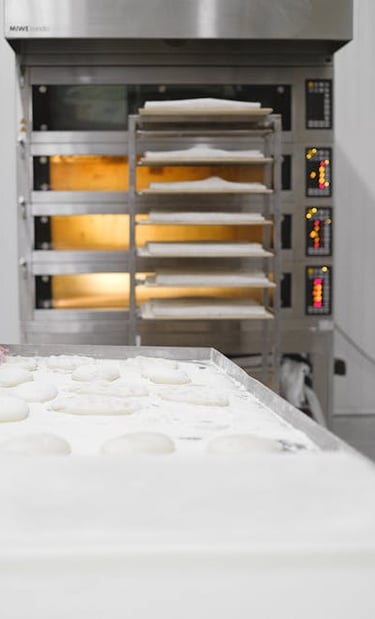
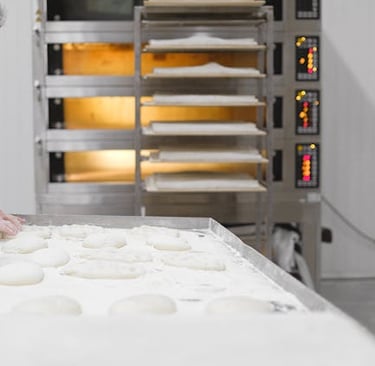
Commercial ovens are more than just simple cooking devices; they are the backbone of any productive kitchen. With various types, including convection and combi ovens, these machines provide chefs with the ability to manipulate temperature and cooking style to perfection. The speed at which these ovens operate can significantly impact food service delivery and overall kitchen productivity. Investing in a reliable commercial oven ensures that you can keep pace with busy kitchen demands while maintaining high standards of food quality.
Food Processors: The Versatile Powerhouse
Food processors add unparalleled versatility to modern kitchens, allowing chefs to chop, slice, dice, and puree ingredients with ease. This multi-functionality helps save time and maximizes efficiency, making them an indispensable tool in any professional environment. Rather than manually preparing ingredients, which can be time-consuming, using a food processor not only speeds up the process but also ensures uniformity in preparation. Embracing this technology allows kitchens to focus on creativity and execution without compromising quality or speed.
Analyzing The Benefits Of Advanced Kitchen Equipment
In the dynamic environment of an industrial kitchen, upgrading to advanced kitchen equipment is crucial for maintaining efficiency and enhancing productivity. These innovations not only streamline operations but also contribute to long-term cost savings. When considering the overall success of any culinary operation, understanding how these machines can impact workflow and food quality is essential. The investment in state-of-the-art kitchen technology can significantly transform your kitchen capabilities, making them the most effective tools for chefs and kitchen staff alike.
Moreover, advanced kitchen equipment brings with it a host of benefits that can address various operational challenges. For chefs and kitchen managers aiming to stay ahead of the competition, embracing modern machinery is a necessary step. When equipped with the latest technology, kitchens can offer improved cooking consistency, better energy management, and enhanced safety features that safeguard employees. The integration of these machines is a decisive factor in achieving excellence and consistency in culinary practices.
Benefits Of Upgrading Equipment Include:
Increased efficiency and output
Enhanced food quality and consistency
Reduced energy consumption
Improved safety and compliance with health regulations
Lower long-term operational costs
Greater versatility in menu preparation
Streamlined maintenance and troubleshooting procedures
Beyond operational improvements, upgrading to advanced kitchen equipment also fosters a culture of innovation within the kitchen. Staff members who work with modern machines often report feeling empowered and motivated, leading to enhanced creativity and job satisfaction. As technology continues to evolve, so do the expectations of customers regarding meal presentation and quality, making it imperative for kitchens to adapt accordingly.
Cost Efficiency Through Energy-Saving Technologies
Energy efficiency is a major component of modern kitchen equipment, offering significant returns on investment. By utilizing energy-saving technologies, kitchens can drastically reduce their utility bills while still maintaining high levels of performance. Many new machines are designed to operate with minimal energy consumption, which not only helps the environment but also aligns with the bottom line. Kitchen managers should consider the long-term savings and environmental impact when deciding to upgrade their kitchen technology.
Tips For Maintaining Industrial Kitchen Machines
In any industrial kitchen, the machinery plays a crucial role in maintaining efficiency and productivity. As you delve deeper into understanding the most important machines in the industrial kitchen, it's essential to emphasize how vital it is to keep them in optimal working condition. Neglecting regular maintenance can lead to increased downtime, costly repairs, and the potential for compromised food safety. Therefore, having a clear maintenance strategy is key to ensuring smooth operations and longevity of kitchen equipment.
Implementing a robust maintenance plan means being proactive about your equipment's needs. One of the primary aspects of this is to stay organized and attentive to the specific requirements of each machine. It’s important to create a routine that encompasses both cleaning and inspections, allowing for the early detection of any potential issues that could affect the efficiency of your kitchen. By doing this, you protect your investment and ensure the equipment consistently performs at its best.
Maintenance Steps To Follow:
Conduct daily cleanings of all surfaces and equipment.
Inspect machines for wear and tear regularly.
Replace worn-out parts as needed.
Schedule monthly deep cleaning sessions.
Keep a log of maintenance history for reference.
Test equipment functionality before peak operation times.
Train staff on proper use and care of machines.
Following these maintenance steps will not only prolong the lifespan of your kitchen equipment but will also enhance the safety and quality of the food being prepared. For industrial kitchens, it’s crucial to maintain a high standard of hygiene, and proper maintenance contributes significantly to this aspect. Not to mention, adhering to maintenance protocols can prevent minor issues from escalating into major problems, ultimately saving time and money.
Regular Cleaning: Preventing Breakdowns
The importance of regular cleaning cannot be overstated when it comes to industrial kitchen machines. A clean machine is less likely to malfunction or experience breakdowns. Particles of food, grease, and other debris can accumulate in hard-to-reach areas and create problems over time, leading to equipment failure or contaminated food. Regular cleaning routines help ensure that all equipment operates efficiently and stays hygienic.
Scheduled Inspections: Ensuring Longevity
In addition to cleaning, scheduled inspections are essential for maintaining the integrity of industrial kitchen machinery. These inspections should include thorough checks of mechanical and electrical components. Identifying wear and tear before it becomes a significant issue can save not only money but also prevent any disruptions in service. Regular inspections build a culture of maintenance that prioritizes longevity and peak performance in your kitchen.
Key Takeaways On Importance Of Kitchen Machinery
Kitchen machinery plays a pivotal role in streamlining operations within an industrial kitchen. Not only do these machines enhance efficiency, but they also contribute to maintaining consistent quality across various dishes. In this fast-paced environment, investing in the right equipment is crucial for any establishment aiming for success. The right selection of industrial kitchen machinery can significantly impact productivity and customer satisfaction.
Understanding the advantages of using the most modern kitchen machinery involves recognizing how it can reduce labor costs, improve efficiency, and support food safety standards. For instance, machines such as blast chillers, food processors, and automatic fryers minimize manual labor and enable chefs to focus on creativity and presentation. As a result, businesses can deliver higher volume and quality, matching the modern diner’s expectations.
Actionable Takeaways:
Assess your kitchen's specific needs before purchasing machinery.
Invest in multi-functional machines to save space and costs.
Prioritize energy-efficient equipment to reduce utility costs.
Ensure all machinery complies with health and safety regulations.
Consider the ease of maintenance and the availability of replacement parts.
Continuous training on machine operation is essential for staff safety and efficiency.
Moreover, the benefits of advanced kitchen equipment extend beyond just operational improvements; they also include enhancing the overall culinary experience for customers. For chefs, they provide innovative tools that foster creativity while maintaining consistency in output. By leveraging the most technology-driven solutions, kitchens can elevate their menu offerings while ensuring that every dish meets high standards. Hence, investing in kitchen machinery is not merely a financial decision but a strategic one that can define a business's ability to thrive in a competitive market.