Horeca Service Equipment
In the hospitality industry, the term Horeca equipment refers to the essential tools and devices used in hotels, restaurants, and catering services.
9/17/20255 min read
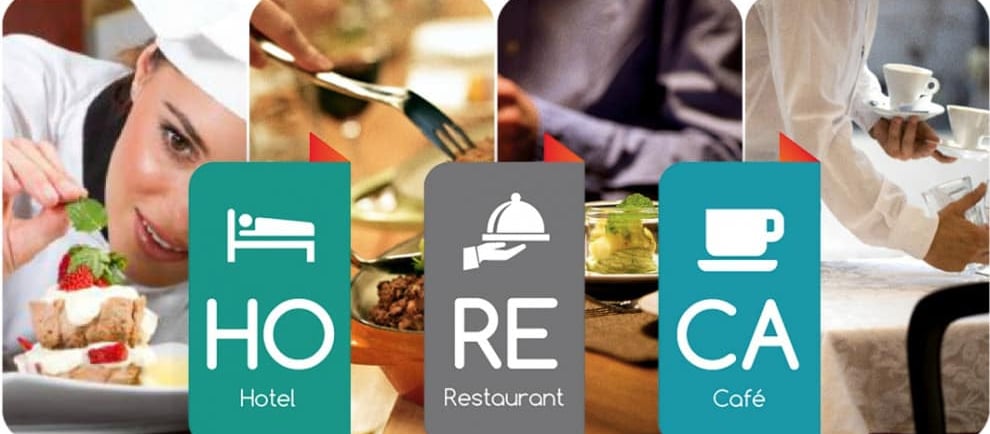
This blog post explores the essential role of Horeca equipment in the food service industry, providing insights into the various types and features that are crucial for success. It outlines key categories of Horeca service equipment, helping businesses understand what is available to enhance their operations. Additionally, the article offers guidance on selecting the right hotel service equipment tailored to specific needs, ensuring efficiency and effectiveness in service delivery. Finally, actionable takeaways are provided to help optimize the usage of Horeca service equipment, allowing businesses to maximize their potential and improve customer satisfaction. Overall, this comprehensive guide serves as a valuable resource for anyone involved in the Horeca sector.
Understanding Horeca Service Equipment: Essential Tools For Success
In the hospitality industry, the term Horeca equipment refers to the essential tools and devices used in hotels, restaurants, and catering services. Utilizing the right horeca service equipment is crucial, as it directly impacts operational efficiency, service quality, and customer satisfaction. For instance, the effectiveness of your hotel service equipment can streamline food preparation and enhance the dining experience, ultimately contributing to the success of your establishment. Reliable horeca equipment not only saves time during peak hours but also ensures that food is served at optimal temperatures, thus preserving flavor and quality.
Key Benefits of Horeca Service Equipment
Improved operational efficiency
Enhanced food quality and presentation
Increased customer satisfaction
Streamlined workflow in busy environments
Reduced labor costs through automation
Durability and longevity
Compliance with health and safety regulations
The right horeca equipment allows businesses to maintain high standards and adapt to ever-changing demands within the industry. By investing in quality hotel service equipment, establishments can facilitate a smoother operation while also fostering a positive and memorable dining experience for their patrons. Moreover, the integration of advanced technology in horeca service equipment can further optimize performance and provide valuable data insights that help in strategizing future services.
Key Types And Features Of Food Service Equipment Explained
When it comes to the hospitality industry, having the right food service equipment is crucial for operational efficiency and delivering quality service. Each type of equipment serves a distinct purpose, helping to streamline processes in kitchens, dining areas, and service stations. It’s essential for businesses to understand the various types of horeca equipment and their features to make informed purchasing decisions.
Type of EquipmentPurposeFeaturesCooking EquipmentPreparation of mealsMultiple heat sources, versatility in cookingRefrigeration EquipmentPreservation of foodTemperature control, energy efficiencyServing SolutionsPresentation and serving of foodEase of use, aesthetic appealUtensils and AccessoriesSupport cooking and servingDurability, diverse functionalities
Choosing the right horeca equipment involves an understanding of the essential components that make up a functional establishment. Components such as cooking equipment, refrigeration units, and serving solutions are vital in ensuring that meals are prepared safely and efficiently. A thorough assessment of the space and anticipated customer volume can also guide the selection of equipment.
Essential Kitchen Equipment
In any food service environment, certain pieces of equipment are considered indispensable. These typically include ovens, stoves, fryers, and food processors. Investing in high-quality food service equipment can enhance productivity and maintain food safety standards. For instance, reliable refrigeration units help minimize waste by ensuring that ingredients remain fresh and safe for consumption.
Serving Solutions
The way food is presented and served plays a significant role in the overall dining experience. Effective serving solutions range from platters and chafing dishes to modern service carts. These options help keep food at ideal serving temperatures and enhance the visual appeal of the presentation. Moreover, integrating advanced serving solutions into your horeca equipment can streamline service and improve customer satisfaction.
Steps For Choosing Food Service Equipment
Assess the specific needs of your establishment.
Evaluate your budget and prioritize necessary equipment.
Research different brands and their reputations in the market.
Consider energy efficiency and long-term maintenance costs.
Review available space for storage and usage of the equipment.
Seek recommendations from industry professionals or peers.
Test equipment when possible before making a final decision.
Choosing The Right Hotel Service Equipment For Your Needs
Selecting the appropriate hotel service equipment is crucial for enhancing efficiency and guest satisfaction in the hospitality industry. Various factors influence this decision, including the type of service you aim to provide, the size of your establishment, and your budget. Prioritizing quality and functionality will not only streamline operations but also enhance the overall guest experience, leading to higher customer retention.
Considerations Before Purchasing
Before making a purchase, it's important to conduct a thorough assessment of your hotel's operational needs. Consider the following:
Type of Service: Determine if you require equipment for buffet service, room service, or bar operations.
Space Availability: Assess your layout to ensure you choose equipment that fits seamlessly into your existing setup.
Budget Constraints: Establish a realistic budget that allows for quality equipment without compromising service standards.
Durability: Opt for equipment designed for heavy-duty use to avoid frequent replacements.
Brand Reputation: Research brands known for their reliability and support services to avoid unnecessary headaches.
Each decision contributes to the efficiency of your hotel operations, making it essential to invest time in this evaluation. By aligning your choices with best practices in the industry, you can maximize your investment in hotel service equipment.
“The right equipment is the backbone of exceptional service; it sets the stage for memorable guest experiences.”
Choosing the right hotel service equipment not only affects your operational success but also has profound implications for customer satisfaction and repeat business. Investing in the appropriate tools tailored to your specific needs will ensure that your establishment remains competitive and efficient in a constantly evolving hospitality landscape.
Actionable Takeaways For Optimizing Horeca Service Equipment Usage
Effectively utilizing horeca service equipment is crucial for enhancing operational efficiency in food service establishments. To achieve optimal performance, operators should focus on regular maintenance, staff training, and understanding the specific features of each equipment type. By ensuring that team members are well-versed in using the equipment, establishments can minimize downtime and maximize productivity. Moreover, tracking usage patterns and equipment performance through data analytics can lead to informed decision-making regarding future investments in equipment upgrades or replacements.
Next Steps To Implement
Conduct regular maintenance checks to ensure equipment is functioning optimally.
Provide comprehensive training for staff on the appropriate use of horeca service equipment.
Utilize inventory management systems to track equipment usage and performance.
Gather feedback from staff about equipment usability and effectiveness.
Invest in energy-efficient horeca equipment to reduce operational costs.
Stay updated with the latest industry trends and innovations in food service technology.
Evaluate customer feedback to improve service efficiency through better equipment use.
Implementing these steps can significantly optimize the usage of horeca service equipment, leading to improved service quality and customer satisfaction. By establishing a proactive approach towards equipment management, hospitality businesses can ensure their operations remain competitive and efficient, ultimately fostering a positive dining experience for guests.